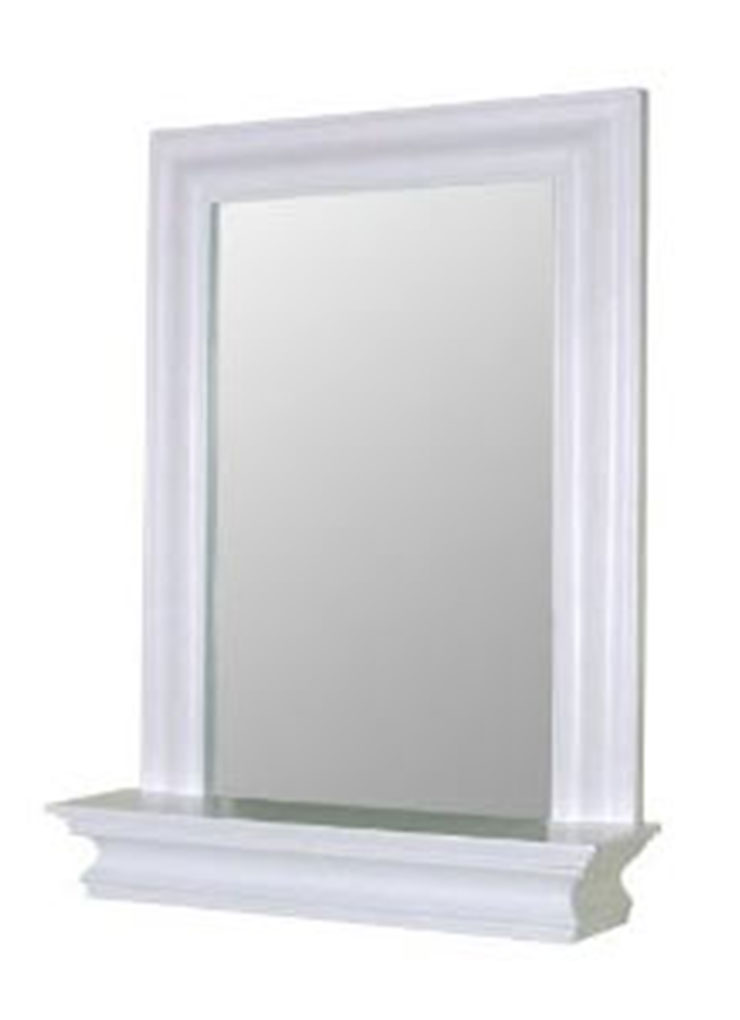
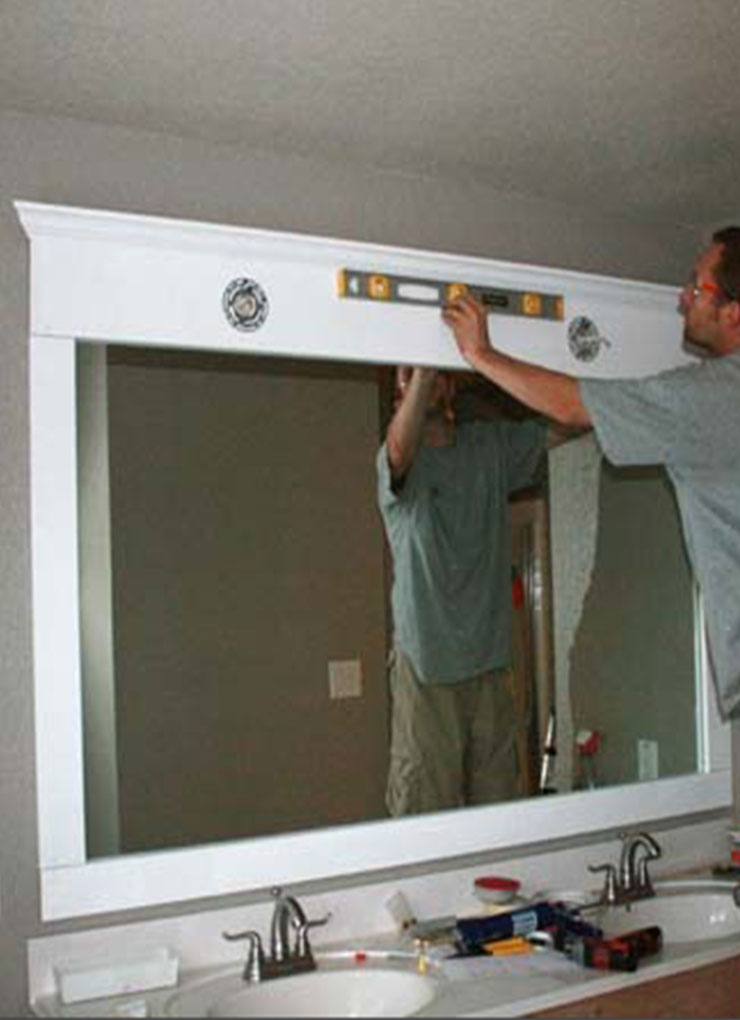
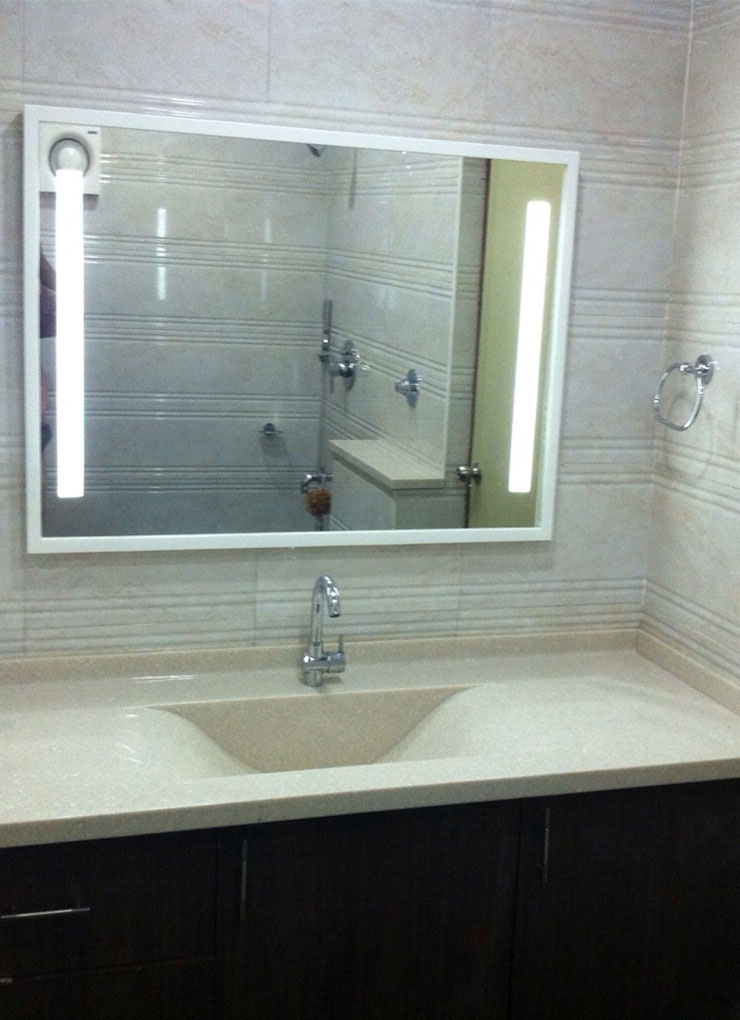
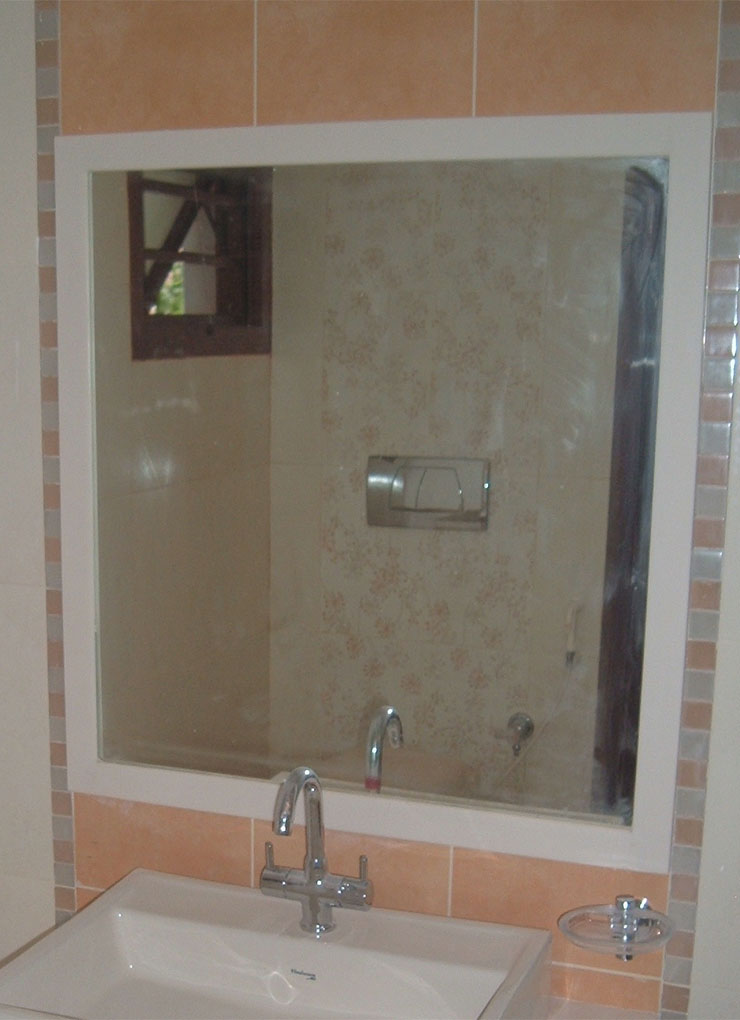
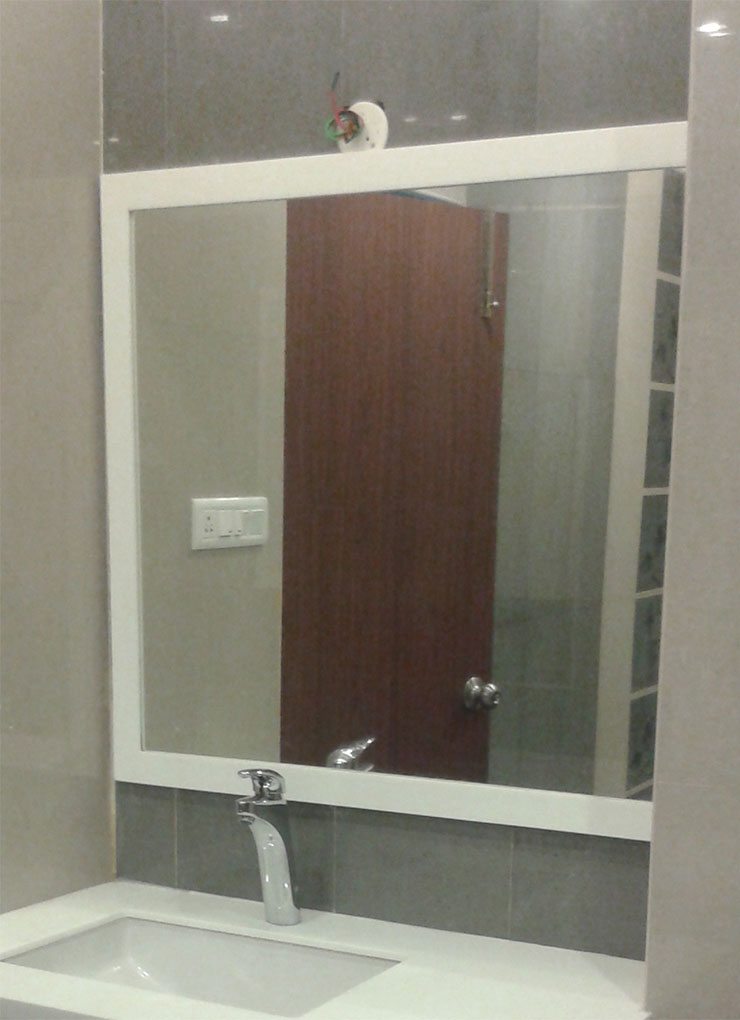
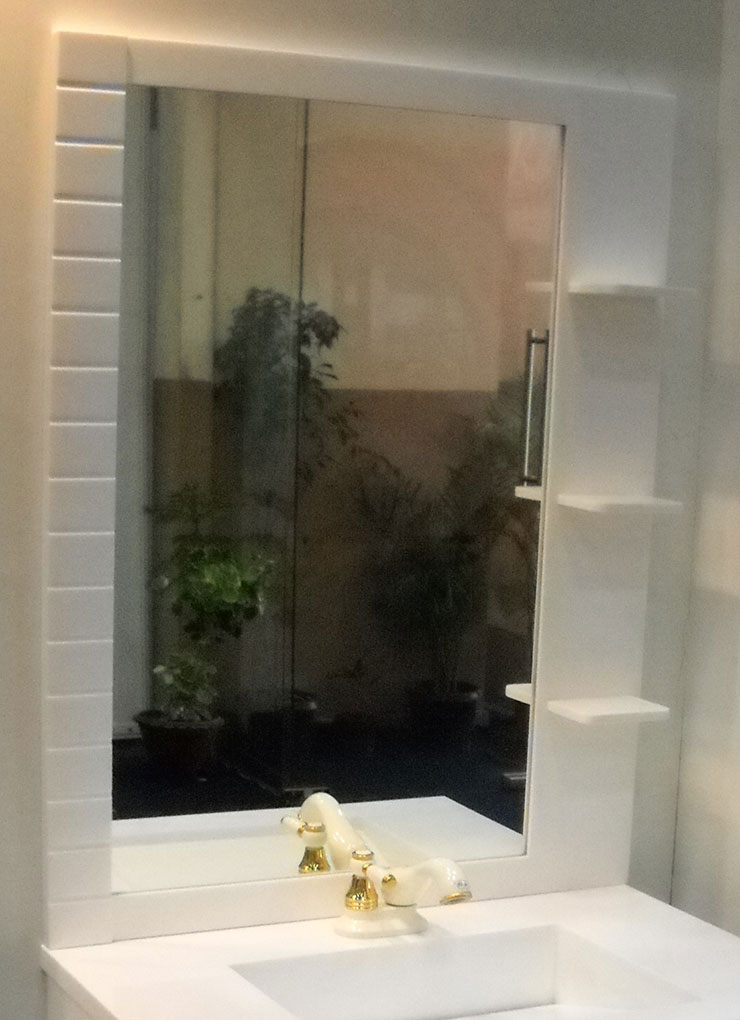
Mirrors are no longer used only for reflection. In modern interior design, mirrors have become essential decorative elements that influence lighting, space perception, and overall aesthetics. However, many homeowners, architects, hotels, and commercial spaces face a common challenge plain mirrors often look unfinished, fragile, and disconnected from the overall interior theme. Without proper framing, mirrors can appear dull, lack durability, and fail to create a premium visual impact.
A well-designed mirror frame transforms an ordinary mirror into a stylish architectural feature that enhances both functionality and interior appeal. Whether used in homes, luxury hotels, salons, retail stores, offices, restaurants, or commercial buildings, mirror frames provide structural protection while elevating the elegance of the space. They help create focal points, improve visual depth, and complement modern, classic, minimalist, or luxury interiors.
The demand for decorative interior products is growing rapidly across residential and commercial sectors. According to Grand View Research, the global home décor market is expected to reach USD 1,097.51 billion by 2030, driven by increasing consumer interest in aesthetic interiors and premium decorative products. Additionally, the global interior design services market is projected to surpass USD 255 billion by 2030, reflecting the rising importance of customized interior elements such as decorative mirrors and designer framing solutions.
One major problem with frameless mirrors is edge vulnerability. Over time, exposed mirror edges may develop chips, cracks, black spots, or moisture damage, especially in humid areas like bathrooms and dressing rooms. Poor-quality framing materials can also warp, fade, or lose finish due to constant environmental exposure. As a result, many property owners seek durable and stylish mirror frame solutions that combine protection with long-term visual appeal.
Mirror frames solve these challenges by offering both structural support and decorative enhancement. Available in a variety of materials such as wood, aluminum, acrylic, PVC, metal, and engineered composites, modern mirror frames are designed to suit different architectural styles and usage environments. They can be customized in multiple finishes, textures, patterns, and colors to match contemporary interior trends.
Common Problems with Unframed or Low-Quality Mirrors
Exposed edges prone to cracks and damage
Moisture-related black spots and corrosion
Poor aesthetic appeal in premium interiors
Lack of structural support and durability
Difficult integration with interior themes
Limited decorative value
Higher maintenance and replacement costs
Modern mirror frames provide a practical and elegant solution by improving both the lifespan and appearance of mirrors. They help create visually balanced interiors while adding sophistication to walls, vanity areas, hallways, washrooms, and decorative installations.
Benefits of Mirror Frames
Enhance overall interior aesthetics
Protect mirror edges from damage
Improve durability and structural support
Available in modern and customizable designs
Suitable for residential and commercial interiors
Resistant to moisture and environmental wear
Add luxury appeal to decorative spaces
Easy integration with different décor styles
As interior design trends continue focusing on personalization and premium finishes, Mirror Frames have become an essential decorative element for modern spaces. They offer the perfect balance of style, durability, and functionality while transforming simple mirrors into statement design features.