Vanity Without Wood
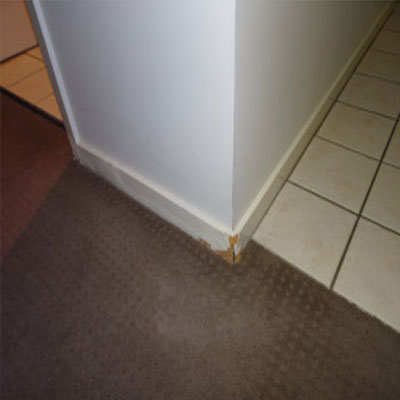
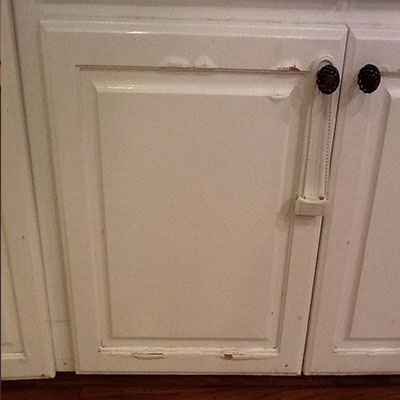
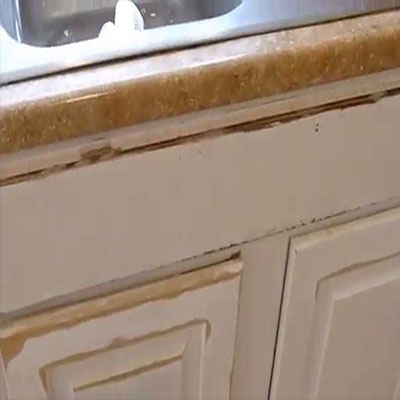
Modern bathroom and interior designs are shifting toward materials that offer durability, low maintenance, moisture resistance, and long-term performance. Traditional wooden vanity units, although widely used for years, often create serious challenges in humid environments such as bathrooms, wash areas, hotels, and commercial spaces. Problems like swelling, warping, termite damage, fungal growth, peeling laminates, and water absorption frequently reduce the lifespan of wooden vanities, leading to repeated repairs and costly replacements.
As homeowners, architects, and builders increasingly prioritize sustainable and maintenance-free interiors, the demand for Vanity Without Wood solutions is growing rapidly.
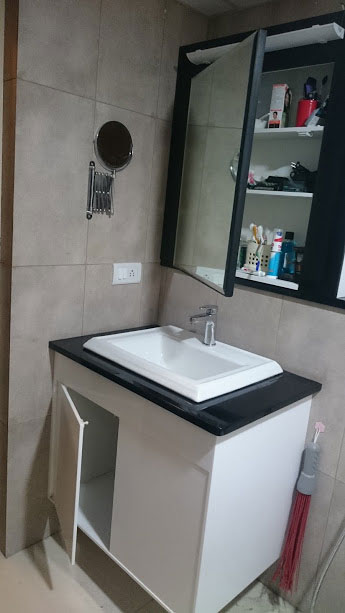
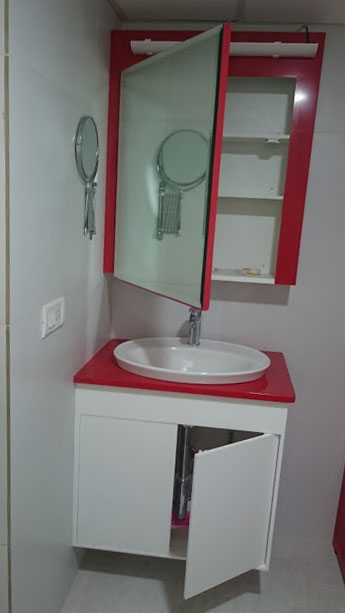
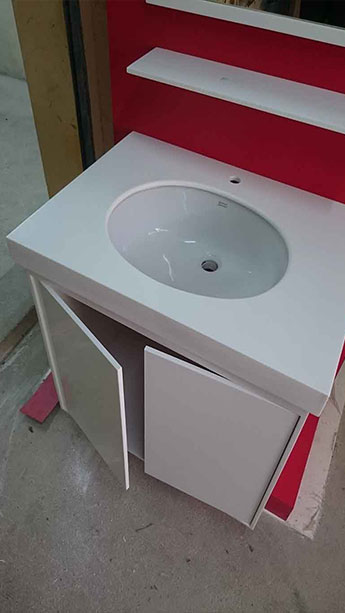
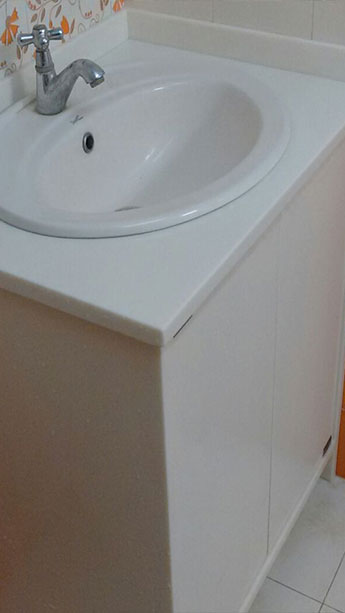
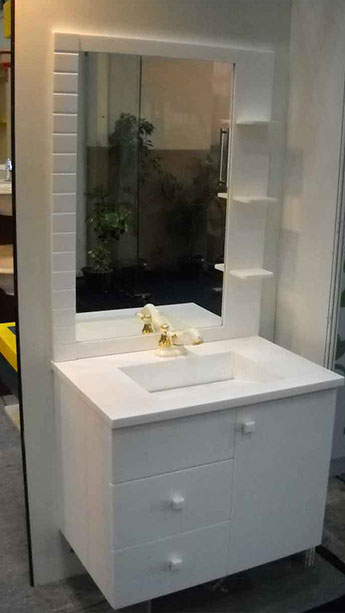
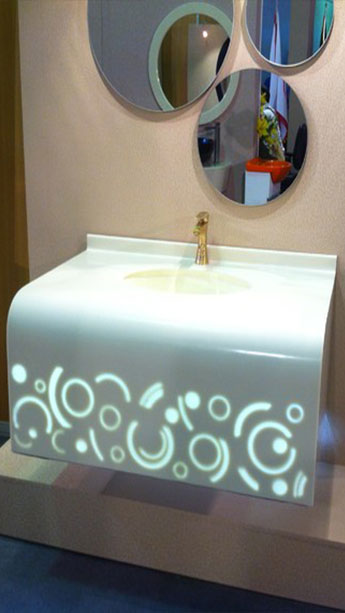
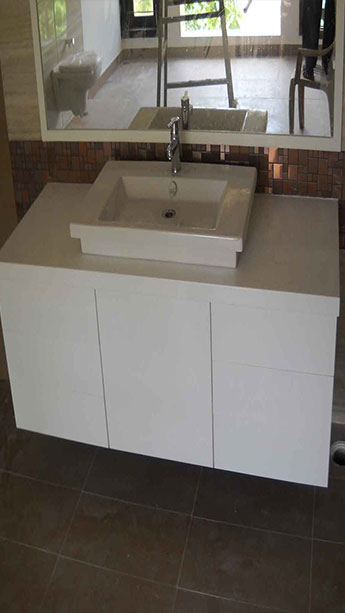
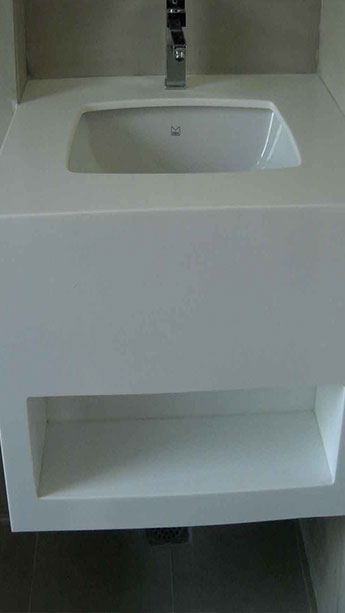
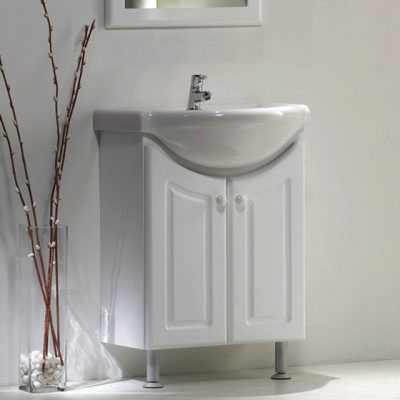
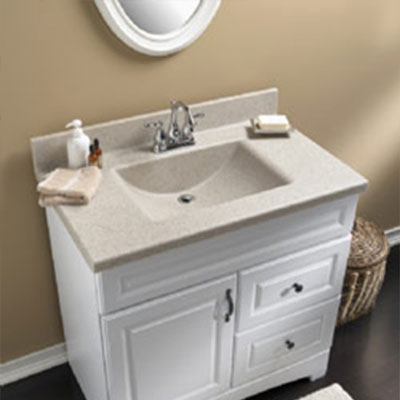
A vanity without wood refers to modern vanity systems manufactured using alternative materials such as solid surfaces, acrylics, engineered stone, ceramics, aluminum, PVC, stainless steel, quartz, or waterproof composite materials. These vanities are specifically designed to eliminate the common weaknesses associated with traditional wood-based bathroom furniture while delivering a sleek, contemporary appearance.
The rising demand for durable and water-resistant bathroom interiors reflects broader global construction and home improvement trends. According to Grand View Research, the global bathroom vanities market is expected to grow significantly due to increasing investments in modern residential construction and luxury bathroom renovations. Additionally, the global home renovation market continues expanding as consumers focus more on functional, hygienic, and visually appealing living spaces.
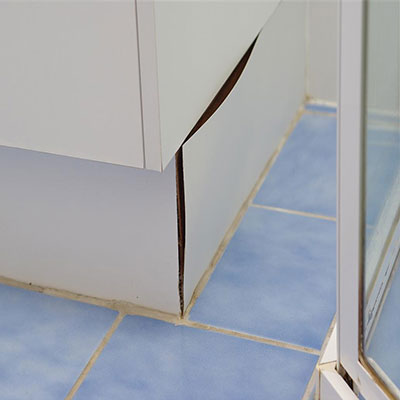
One of the biggest problems with wooden vanity cabinets is moisture exposure. Bathrooms naturally experience high humidity levels, water splashes, steam, and temperature fluctuations. Over time, wooden materials absorb moisture, causing structural weakening and aesthetic damage. This not only affects durability but also creates hygiene concerns due to mold and bacterial growth in damp surfaces.
Vanity without wood systems solve these issues by using waterproof and non-porous materials that resist moisture, stains, corrosion, and microbial buildup. They are designed to deliver long-lasting performance even in high-humidity environments while maintaining a clean and luxurious appearance.
Common Problems with Traditional Wooden Vanities
- Swelling and warping due to moisture
- Termite and pest damage
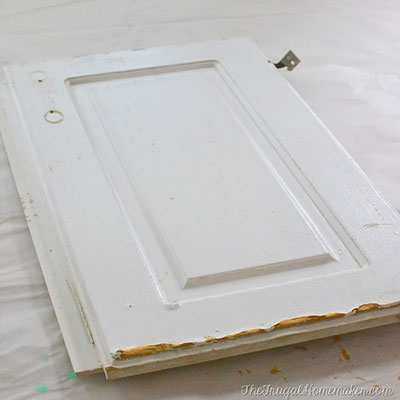
- Peeling laminates and surface deterioration
- Mold and fungal growth in humid areas
- Frequent maintenance and repair costs
- Reduced lifespan in bathroom environments
- Difficulty maintaining hygiene and cleanliness
Modern vanity solutions without wood are becoming increasingly popular in homes, hotels, hospitals, malls, and commercial washrooms because they offer superior durability and easier maintenance. Their seamless designs also support modern minimalist interiors while maximizing storage and space efficiency.
Benefits of Vanity Without Wood
- 100% moisture-resistant construction
- Long-lasting durability in wet environments
- Resistant to termites, mold, and corrosion
- Easy cleaning and low maintenance
- Modern and seamless aesthetic appearance
- Suitable for residential and commercial bathrooms
- Better hygiene and stain resistance
- Eco-friendly alternatives available
According to the United Nations Environment Programme, sustainable construction materials are becoming essential in reducing environmental impact and improving long-term building efficiency. (unep.org) This shift is encouraging architects and manufacturers to adopt innovative vanity solutions that reduce dependency on traditional wood materials.
As bathroom designs continue evolving toward smarter and more sustainable interiors, Vanity Without Wood has emerged as a practical, stylish, and future-ready solution. It combines durability, hygiene, aesthetics, and functionality while eliminating the common problems associated with conventional wooden vanity systems.