Liquid Inlay
Modern interior and architectural design is no longer limited to basic functionality. Today’s homeowners, architects, and commercial designers demand surfaces that combine durability, aesthetics, customization, and premium visual appeal. However, traditional decorative finishing methods often struggle to deliver long-lasting elegance. Common issues such as fading, surface cracking, limited design flexibility, poor detailing, and high maintenance costs continue to affect decorative installations in residential and commercial spaces.
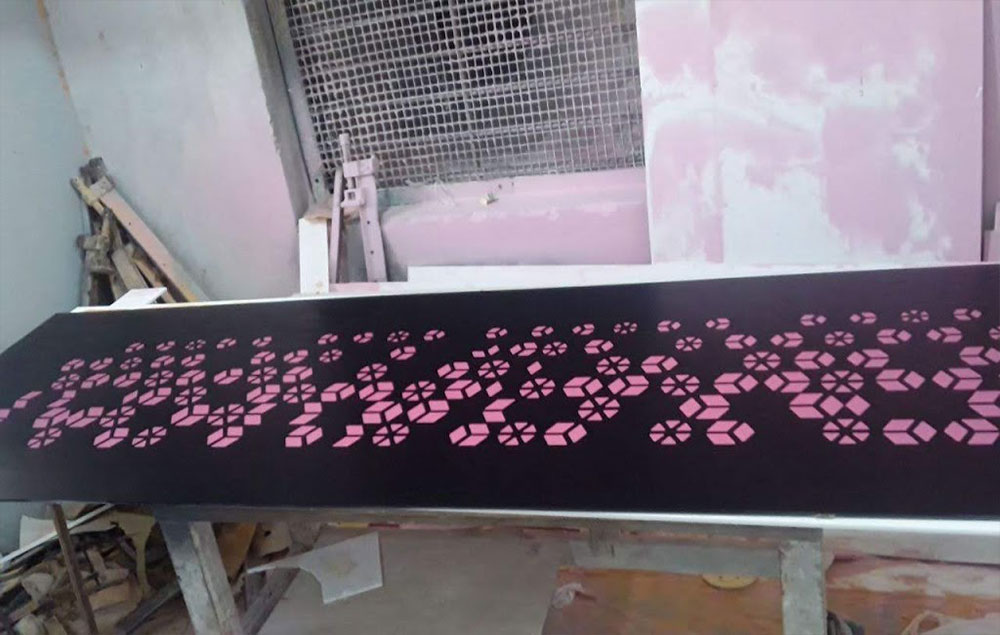
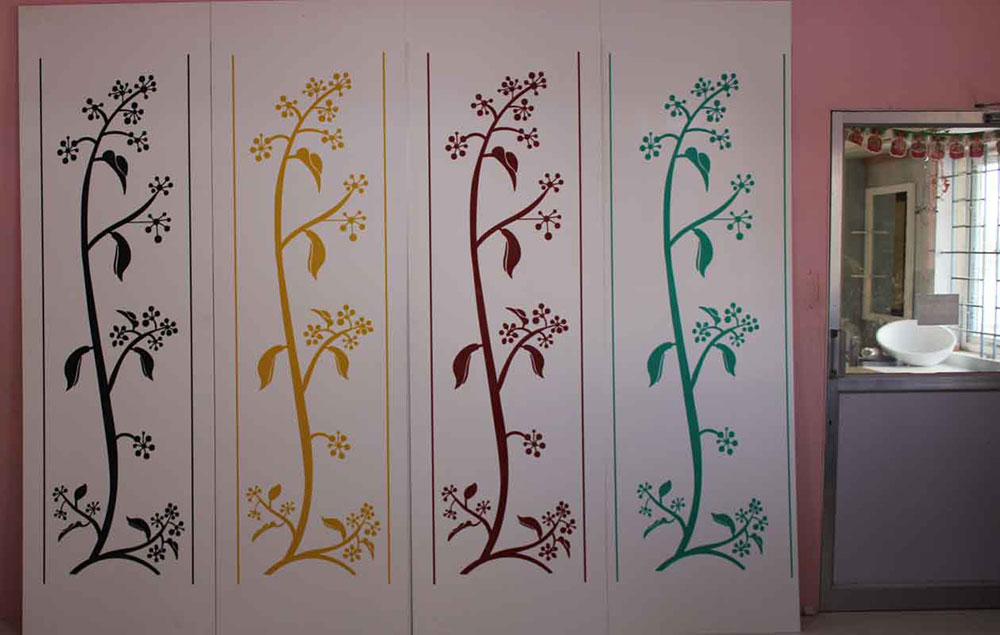
This growing demand for innovative surface enhancement solutions has increased the popularity of Liquid Inlay a modern decorative technology that creates seamless, luxurious, and highly customized surface finishes. Liquid inlay is widely used in countertops, furniture, wall panels, flooring, signage, retail interiors, hospitality spaces, and premium architectural applications. It allows designers to incorporate intricate patterns, metallic effects, logos, textures, and artistic detailing directly into surfaces while maintaining a smooth and durable finish.
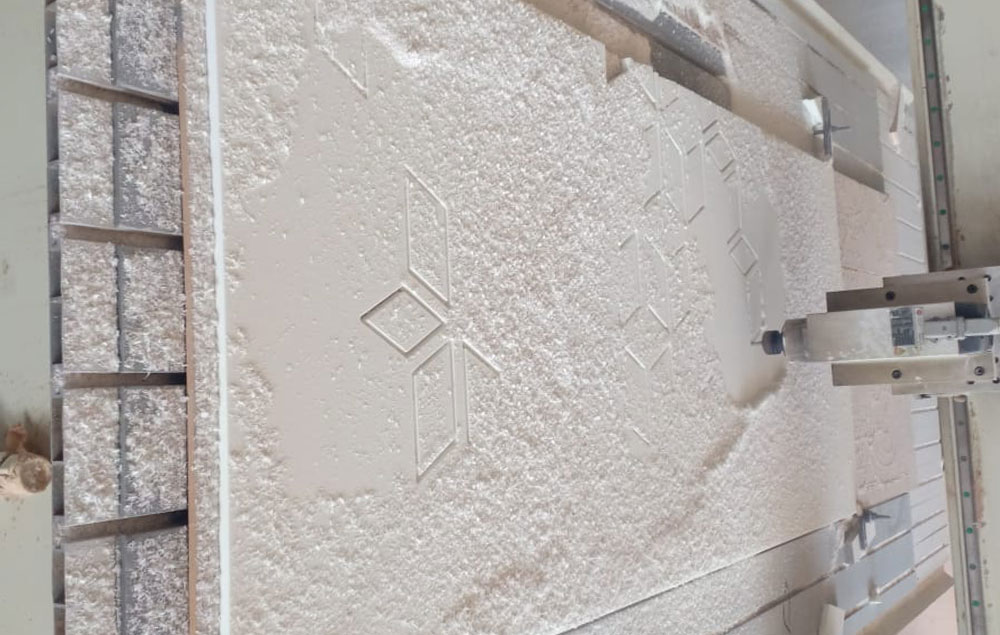
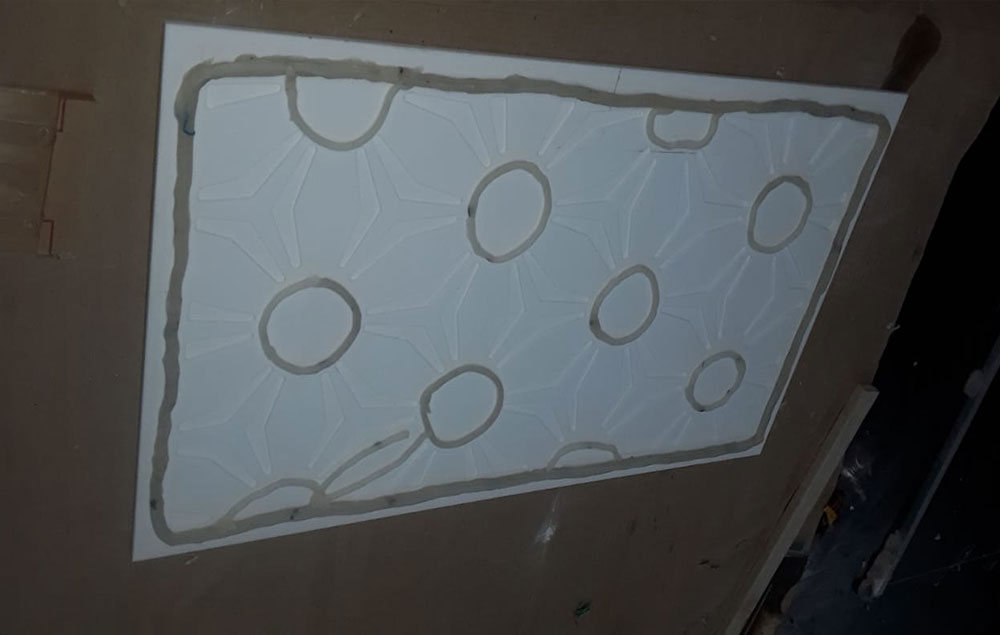
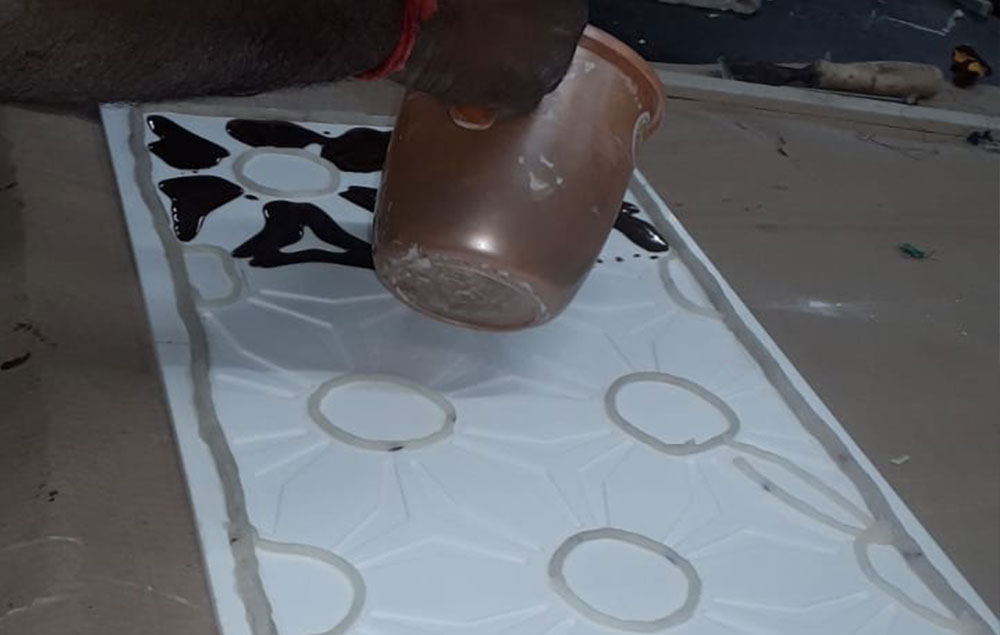
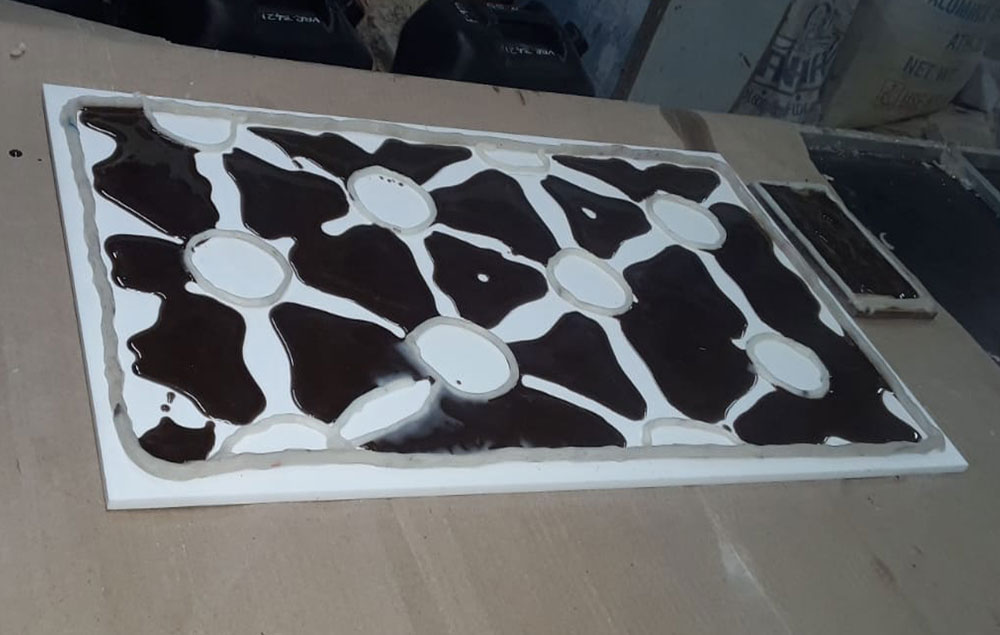
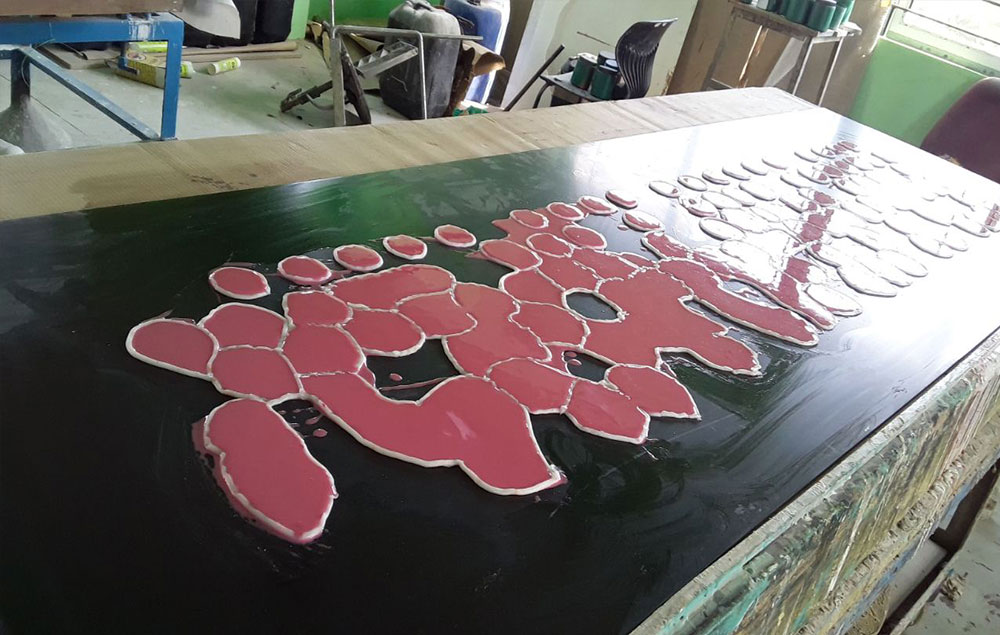
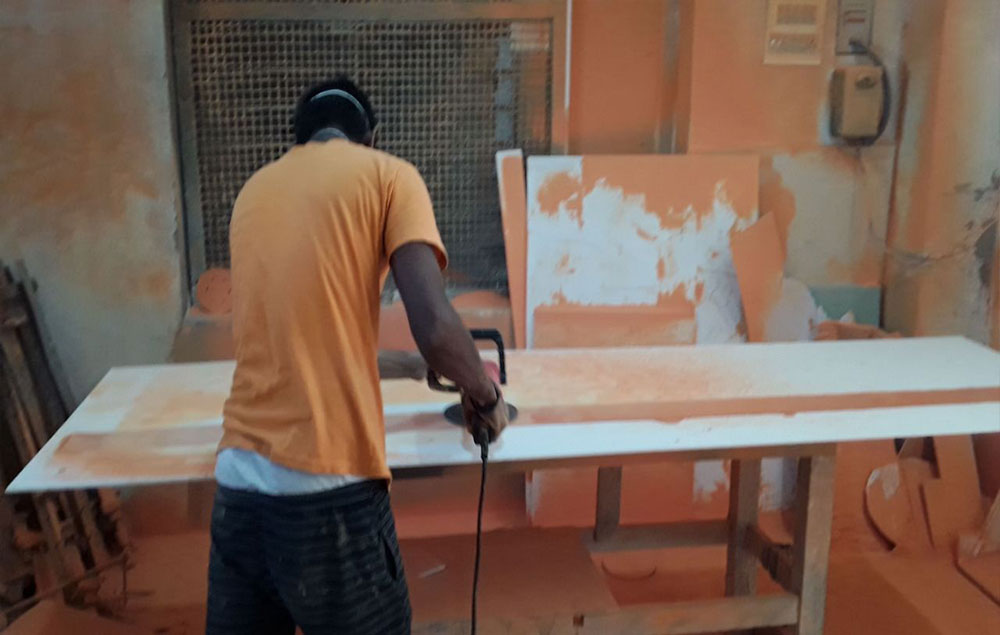
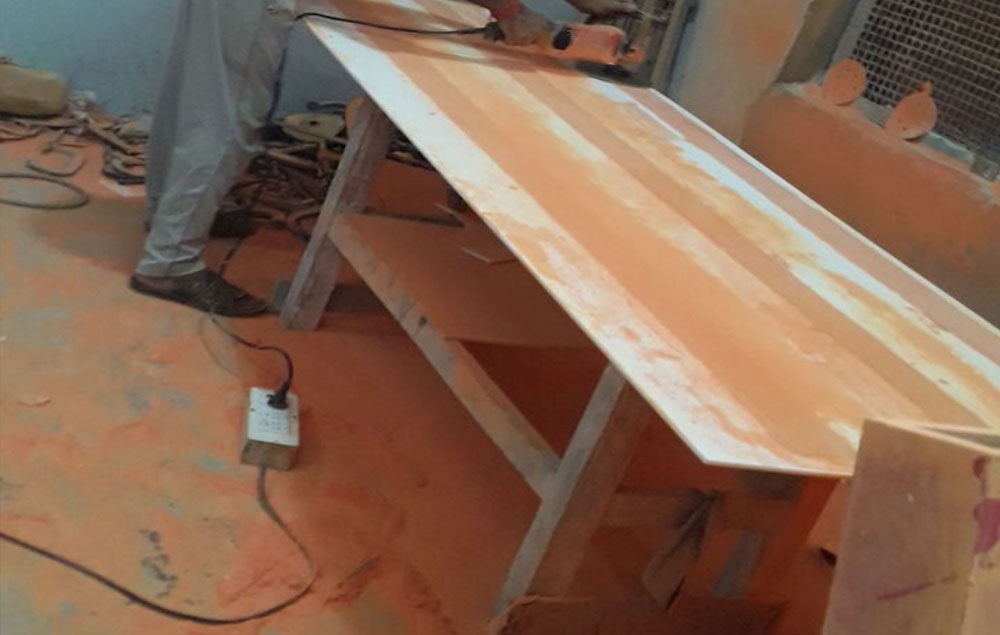
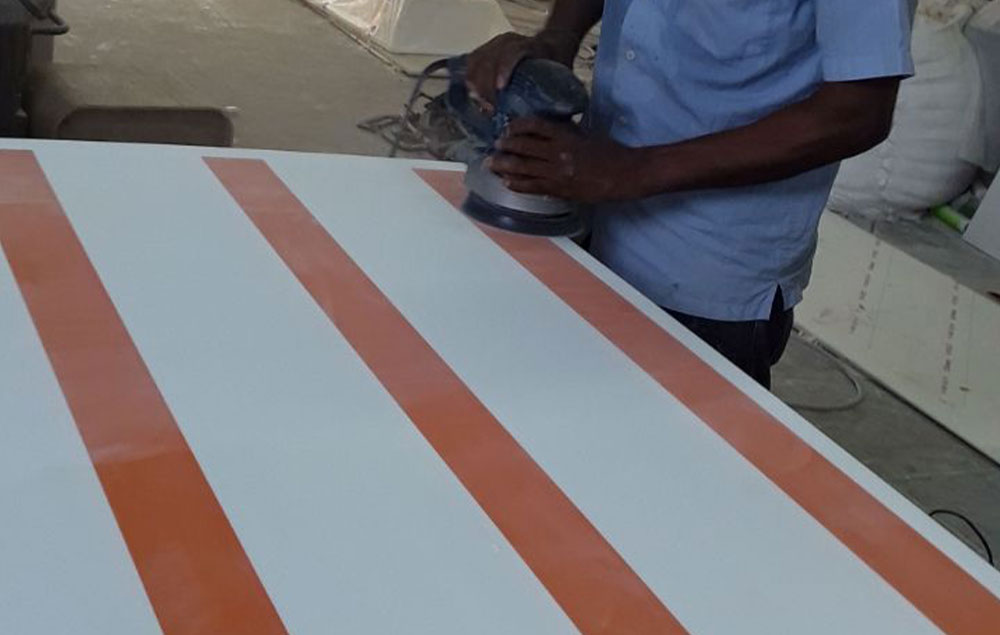
Unlike conventional decorative inserts or mechanical engraving techniques, liquid inlay technology offers superior precision, flexibility, and design freedom. The process involves filling engraved or recessed areas with specialized liquid compounds such as resin, metallic pigments, acrylic materials, or engineered decorative fillers. Once cured and polished, the surface achieves a premium, seamless appearance that enhances both visual value and structural durability.
The increasing focus on personalized interiors is driving rapid growth in decorative surface technologies. According to Grand View Research, the global interior design services market is expected to reach USD 255.4 billion by 2030, fueled by rising demand for luxury interiors, customized décor, and modern architectural finishes. Additionally, the global decorative coatings market is projected to exceed USD 115 billion by 2030, highlighting the strong demand for advanced decorative surface solutions.
One of the major challenges faced in modern decorative applications is balancing aesthetics with durability. Traditional decorative materials may lose their appearance over time due to moisture exposure, scratches, UV damage, or heavy usage. Liquid inlay addresses these issues by providing highly durable decorative detailing that integrates directly into the surface structure rather than sitting loosely on top.
Common Problems with Traditional Decorative Finishes
- Fading and discoloration over time
- Surface cracking and peeling
- Limited customization options
- Poor resistance to moisture and scratches
- High maintenance requirements
- Uneven surface finishing
- Difficulty creating intricate patterns and branding
Liquid inlay technology solves these challenges by delivering high-definition decorative detailing with long-lasting performance. It allows architects and designers to create sophisticated patterns, embedded logos, metallic effects, stone aesthetics, and artistic finishes without compromising structural integrity. The technique is especially valuable in luxury commercial interiors, hotels, retail spaces, restaurants, and premium residential projects where appearance plays a critical role in customer experience.
Benefits of Liquid Inlay
- Seamless and premium surface appearance
- High customization flexibility
- Excellent durability and wear resistance
- Smooth and polished finishing
- Resistant to moisture, stains, and scratches
- Suitable for modern luxury interiors
- Enhances branding and decorative appeal
- Ideal for countertops, furniture, wall panels, and signage
As modern interior trends continue moving toward personalization and premium aesthetics, Liquid Inlay has emerged as an advanced decorative solution that combines creativity, durability, and functionality. It offers businesses and homeowners a sophisticated way to transform ordinary surfaces into visually striking design elements with long-term performance.